
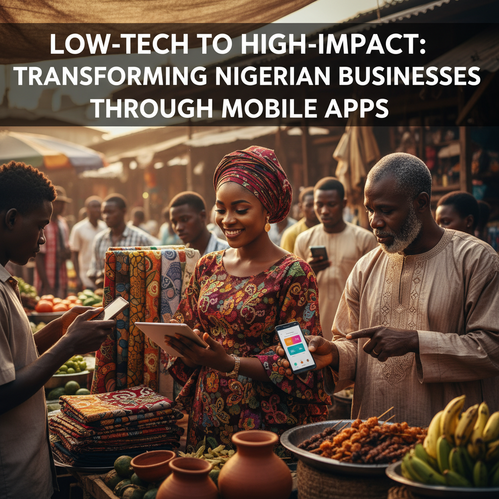
Nigerian entrepreneurs are uniquely positioned to drive operational efficiency using mobile applications, even when starting with limited resources. The widespread availability of smartphones and affordable data means that businesses no longer need expensive hardware to digitize their operations. Mobile apps designed for inventory management, team communication, accounting, and customer relationship management can drastically reduce manual work, limit errors, and speed up routine processes. For example, using cloud-based bookkeeping apps enables business owners to automate invoicing and expense tracking, giving real-time financial insights and reducing paperwork.
Additionally, tools like WhatsApp Business simplify customer engagement, allowing seamless communication, appointment scheduling, and even payments. Mobile inventory apps help retailers avoid stockouts and end-of-line losses by updating inventory in real time from anywhere, ensuring quick decision-making and reducing wastage.
Understanding the Need for Operational Efficiency
Operational efficiency is the backbone of business survival in Nigeria’s rapidly evolving landscape. Organizations grapple with stretched resources, unreliable power, fluctuating markets, and rising competition. Manual processes consume valuable time that could drive growth, while misallocated budgets and staff overload hinder productivity. According to the International Finance Corporation, Nigerian SMEs face significant inefficiencies due to limited access to digital infrastructure, leading to higher operational costs and delayed service delivery.
Benefits of Mobile Apps in Business Operations
Mobile applications have transformed how Nigerian businesses operate, streamlining daily processes and driving increased efficiency. One of the most significant benefits is increased accessibility—team members and clients can access business services and information from anywhere, enabling real-time decision-making and collaboration. For example, CRM apps allow sales teams to connect with leads and update records, facilitating a seamless customer journey. Effective communication is further enhanced with apps that support instant messaging and video conferencing, breaking down silos and ensuring teams can collaborate effectively across the nation.
Learn more about enhancing customer engagement and management in our article on customer experience on a budget.
Choosing the Right Mobile Application for Your Business
Selecting the right mobile application starts with a deep understanding of your operational needs and target audience. It’s crucial to outline the core problems your app should solve, such as streamlining customer support or simplifying payments. Ease of use and integration capabilities with existing technologies are vital. Platforms like GoHighLevel for CRM offers templates that simplify onboarding, while flexibility for future scalability can be a game-changer as your business grows [Source: Hordanso].
Case Studies: Successful Mobile App Implementations
Nigerian enterprises across various sectors have embraced mobile apps to drive operational excellence. For instance, a Lagos-based logistics company implemented a tracking app that improved customer satisfaction by allowing real-time monitoring of shipments. In the healthcare sector, an Abuja medical center’s patient app automates appointment scheduling and digital record storage, drastically reducing wait times.
Overcoming Challenges in Mobile App Adoption
Businesses often hesitate to adopt mobile apps due to perceived costs and training challenges. Addressing these concerns involves adopting low-code platforms that lower both development time and expenses. Providing intuitive user interfaces and robust support helps ease staff onboarding, while involving employees early in the selection process builds buy-in and reduces resistance to change. Check out more strategies on workflow automation comparison.
Future Trends in Mobile Technology for Businesses
The integration of Artificial Intelligence (AI) and the Internet of Things (IoT) represents the future of mobile technology in Nigeria. AI-powered apps offer real-time data insights and predictive analytics, optimizing customer interaction. Meanwhile, IoT facilitates seamless device connectivity for logistics and inventory management. As 5G technology rolls out, businesses can expect enhanced responsiveness in their mobile applications, positioning them well for future growth.