

Understanding the Basics of Landing Pages
Landing pages are standalone web pages specifically designed to capture visitor information through a lead form. They are essential in digital marketing, serving as the focal point for driving conversions. When potential customers land on these pages, they typically arrive after clicking on a link from an email, social media post, or advertisement, highlighting the importance of targeted messaging tailored to the audience’s interests.
The primary significance of landing pages lies in their ability to generate leads effectively. According to data, “companies that use landing pages see 48% more leads than those who don’t”. This statistic underscores the crucial role these pages play in collecting direct information from interested parties, which can later be converted into customers.
For a landing page to be effective, several essential elements must be integrated:
- Compelling Headline: A clear and engaging title that immediately conveys the benefit of the offer.
- Subheadline: A sentence that supports the main headline by providing additional detail or context.
- Call to Action (CTA): A prominent button or link that tells visitors exactly what to do next, like “Sign Up Now” or “Download Free Guide”.
- Visual Elements: High-quality images or videos that enhance appeal and provide social proof.
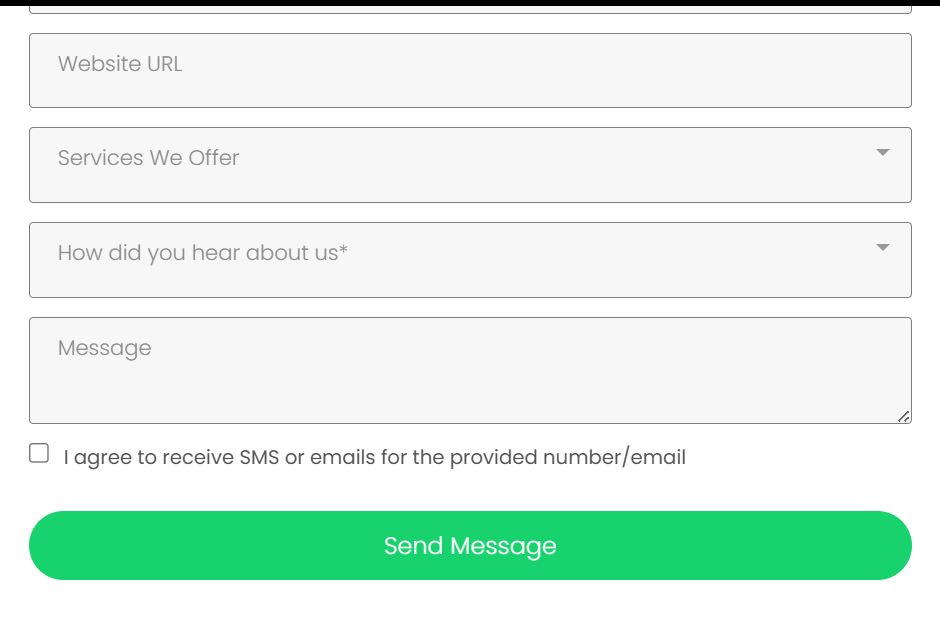
- Form Fields: Simplified fields to collect visitor information while minimizing friction-only ask for essential details initially.
- Trust Signals: Testimonials, reviews, and certifications that establish credibility and reassure the visitor regarding their submission.
By optimizing these elements, businesses can significantly improve their landing page performance, ultimately increasing their lead generation potential.
Why GoHighLevel?
GoHighLevel is an all-in-one marketing automation platform designed to help businesses streamline their processes in lead generation, CRM, and marketing. It stands out due to its unique features including the ability to create custom landing pages, funnel builders, and email marketing campaigns all in one place. GoHighLevel provides a user-friendly interface and integrates various tools necessary for marketing strategies, making it an ideal choice for marketers and business owners looking to enhance their online presence without using multiple separate tools.
For instance, users can easily build engaging landing pages that optimize conversions while managing customer relationships through built-in CRM functionalities. Setting up your GoHighLevel account is straightforward. Begin by visiting our website to get an account and make your order. After signing up, you’ll receive a confirmation email to verify your account.
Once accessed, you can start crafting landing pages using the intuitive drag-and-drop builder, enabling customization of templates to match your branding. Additionally, you can explore other features such as automation workflows and form builders to further enhance your marketing efforts.
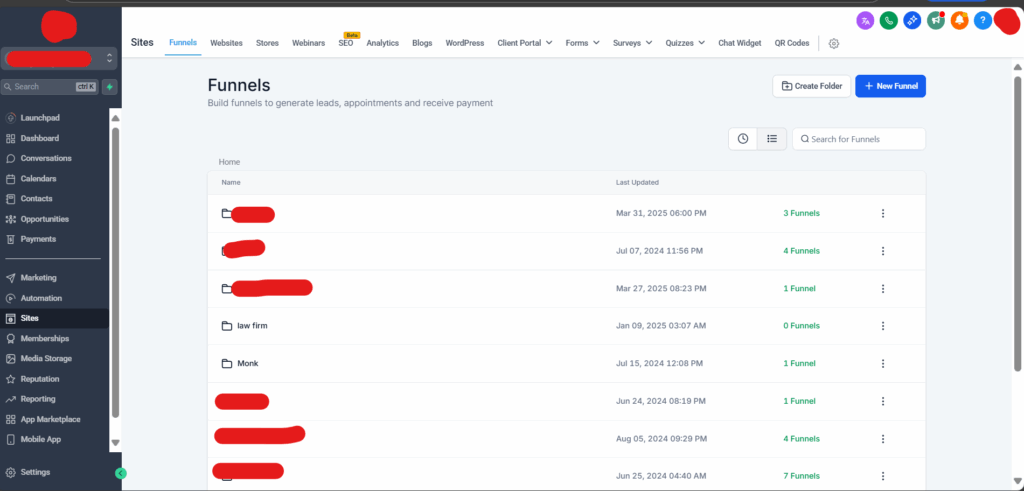
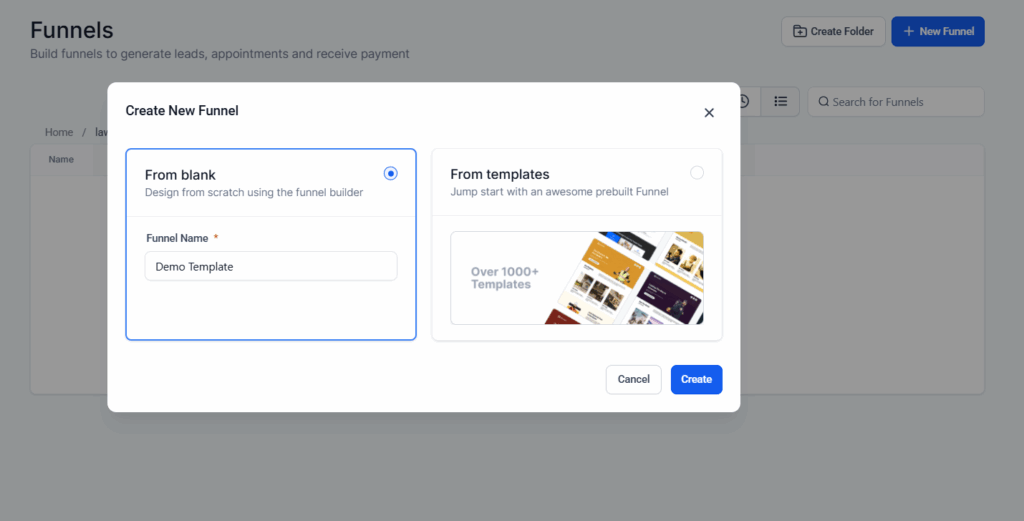
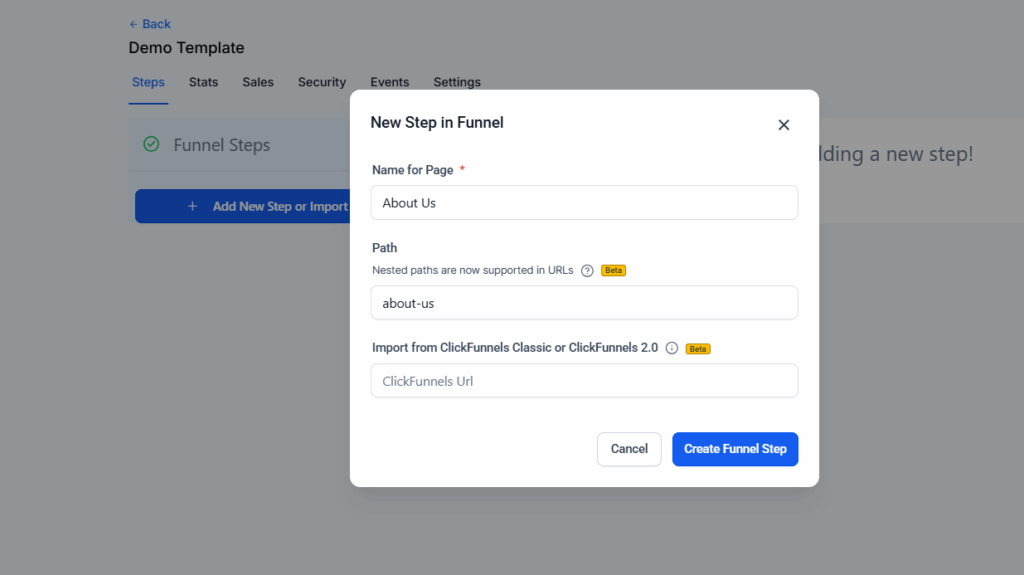
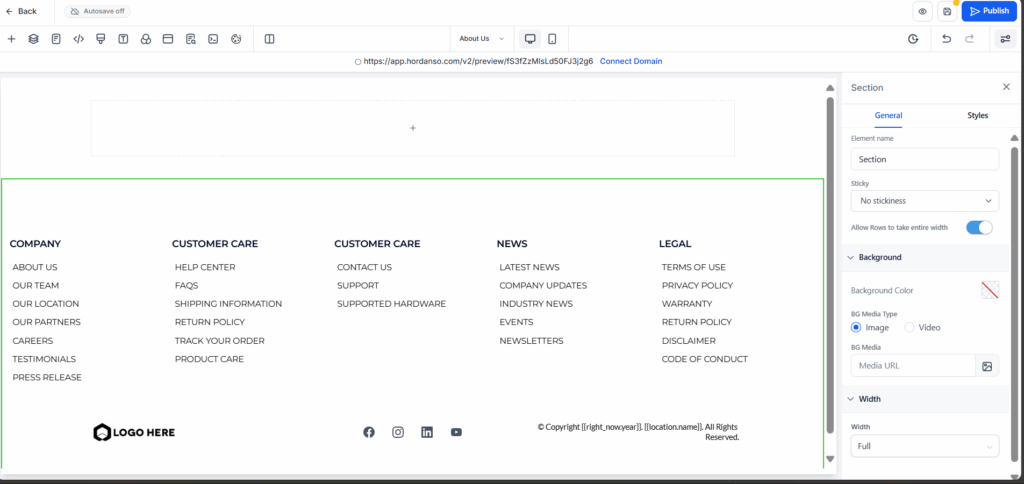
Step-by-Step Guide to Creating Your First Funnel
Creating your first sales funnel can be a straightforward process if you follow these essential steps:
- Choose Your Funnel Type: Start by selecting the type of funnel that aligns with your business goals. Common funnel types include lead generation, sales, and webinar funnels. For instance, if you’re focusing on collecting leads, opt for a lead generation funnel which effectively captures user information in exchange for a freebie or valuable content.
- Select a Template: Most funnel-building tools offer a variety of customizable templates. Choose one that resonates with your brand and includes essential elements like a clear headline, engaging visuals, and testimonials. Tools like GoHighLevel provide pre-designed templates that can be easily tailored to suit your needs, helping you maintain brand consistency.
- Customize Your Design: Once you’ve chosen a template, personalize it by adding your brand colors, logos, and fonts to create a cohesive look. Ensure that the design is user-friendly and responsive across devices. Use images and videos to enhance engagement but keep the layout focused – too much clutter can distract visitors from the primary call to action (CTA).
- Integrate Forms and Calls to Action: Include forms that are straightforward for your visitors to fill out. Strategically place these forms to maximize visibility, ideally paired with compelling CTAs. Effective CTAs might include phrases like “Get Started,” “Join Now,” or “Claim Your Free Trial.” A/B testing different CTAs can help determine which messages resonate best with your audience.
5. Test Your Funnel: Before launching, conduct thorough testing of your funnel. This includes checking for broken links, testing the functionality of forms, and ensuring that the funnel performs optimally on all devices. You might also want to run a small advertising campaign to gather data and insights on initial user interactions, allowing you to make informed adjustments post-launch.
6. Launch and Optimize: After testing, launch your funnel by clicking the Publish button. Post-launch, continue monitoring its performance using analytics tools. Look for key metrics such as conversion rates, and adjust your approach based on the data. Continuous optimization is crucial – consider tweaking your copy, visuals, or CTAs based on user behavior to improve performance over time.
Optimizing Your Funnel for Lead Generation
To optimize your sales funnel for lead generation, there are several key strategies you can implement across various stages of the funnel:
Traffic Driving Techniques
- Content Marketing: Producing valuable content tailored to your target audience will not only improve brand awareness but also enhance organic traffic. Consider utilizing SEO best practices to drive consistent traffic to your funnel.
- Social Media Engagement: Utilize platforms like Facebook, Instagram, and LinkedIn to drive traffic. Regularly share your content and engage with followers to create a community around your brand.
- Email Marketing: Build a mailing list and send regular, value-packed newsletters that direct recipients towards your funnel, enhancing both engagement and conversions.
A/B Testing Tips
- Headlines and CTAs: Test different headlines and calls-to-action to determine which resonate best with your audience. Tools such as Google Optimize can simplify this process.
- Design Variations: Adjust the layout or color schemes of your landing pages. Small adjustments can yield significant differences in conversion rates.
- Forms: Experiment with form length and the information requested. A simpler form may improve sign-up rates while still providing you with valuable leads.
Analyzing Your Funnel’s Performance with GoHighLevel
- Custom Dashboards: Use GoHighLevel’s dashboard functionality to track key metrics such as traffic sources, conversion rates, and email engagement. Regularly review these metrics to identify areas for improvement.
- Funnel Analytics: Leverage GoHighLevel’s built-in funnel analytics to assess where prospects are dropping off. This data can inform your optimization strategies and lead to more effective customer nurturing pathways.
- Client Feedback: Integrate customer feedback loops into your analysis to gather insights directly from users. This qualitative data can highlight what your audience truly values about your funnel and can guide your iterations moving forward.
Next Steps: Scaling Your Lead Generation Efforts
To successfully scale your lead generation efforts using GoHighLevel, consider these advanced features, automation strategies, and nurturing techniques:
- Utilize GoHighLevel’s CRM Features: GoHighLevel offers comprehensive customer relationship management tools that allow you to segment leads based on their behavior and engagement levels. Take advantage of tagging and categorization to tailor your follow-ups and automate communications effectively. For detailed insights on the features of the GoHighLevel automation suite, refer to the GoHighLevel Automation Suite.
- Implement Automation with Workflows: Create automated workflows to nurture leads post-capture. For instance, set up a sequence that sends welcome emails, informative content, and personalized follow-ups based on user interactions. This level of automation can significantly enhance engagement rates and keep your brand top-of-mind.
- Leverage SMS and Email Marketing: GoHighLevel allows the integration of SMS marketing campaigns alongside email. Utilize these channels to deliver targeted messages to leads based on their stage in the buyer’s journey. Regularly update your audience with promotions, webinars, and relevant insights to encourage conversion.
- A/B Testing of Funnels: Continuously test different funnel strategies to identify what resonates best with your audience. This can involve varying landing pages, call-to-action buttons, and content. Use GoHighLevel’s built-in analytics to track performance and adjust strategies accordingly.
- Expand Your Funnel Strategy: As you nurture leads effectively, it’s crucial to expand your funnel strategy. Consider creating additional entry points like referral programs or social media ad campaigns that link to lead capture forms. More entry points can diversify your lead sources and enlarge your funnel considerably.
- Regular Follow-Ups: Establish a schedule for follow-up communications with leads. Consistent follow-ups validate interest and help to build relationships. Utilize GoHighLevel’s automation features to send reminders and schedule calls with leads to maintain engagement.
By employing these strategies, you can effectively scale your lead generation efforts, ensuring your funnel remains robust and prepared for sustained growth. Adapt these approaches based on performance data and feedback from your leads to optimize your results constantly.